.jpg&w=3840&q=70)
.jpg&w=3840&q=70)
.jpg&w=3840&q=70)
.jpg&w=3840&q=70)

.jpg&w=3840&q=70)
On Putrada Ekadashi, Invoke Lord Vishnu’s Blessings for Parenthood, Lineage Continuity & Family Fulfilment
Lord Vishnu is worshipped as the sustainer of life and the divine protector of lineage and family continuity. On Putrada Ekadashi, devotees seek his compassionate grace for santaan-sukh, removal of delays in childbirth, and the fulfilment of the sacred desire to become parents...
Lord Vishnu is worshipped as the sustainer of life and the divine protector of lineage and family continuity. On Putrada Ekadashi, devotees seek his compassionate grace for santaan-sukh, removal of delays in childbirth, and the fulfilment of the sacred desire to become parents. Offering a Vishesh Putrada Ekadashi Chadhava is believed to invoke Lord Vishnu’s blessings for conception, healthy progeny, and harmony in family life. At the sacred Adi Keshav Temple in Kashi, this Chadhava is performed with deep devotion following traditional Ekadashi rituals. Pandit jis invoke Lord Vishnu through sacred mantras, Tulsi offerings, and symbolic bhog, praying for the devotee’s wish for childbirth to be accepted by the Lord. Putrada Ekadashi is regarded in the scriptures...
Choose an offering
108 Tulsi Archan
Offering 108 Tulsi leaves to Lord Vishnu is a sacred act of devotion, symbolizing purity and surrender. This archan is believed to please Shri Hari and invite his blessings for peace, protection, and overall well-being.
₹201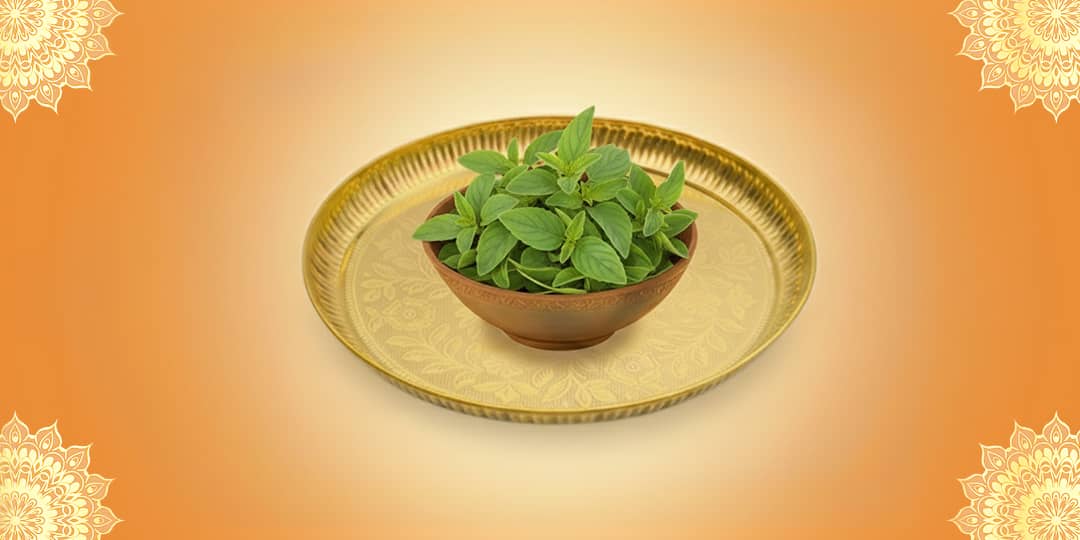
Offer Makhan Mishri
Makhan Mishri is offered to Bal Gopal, the child form of Vishnu. This offering is associated with invoking putra-bhava—the nurturing, playful energy of a child—seeking the Lord’s willingness to enter the devotee’s life as offspring.
₹101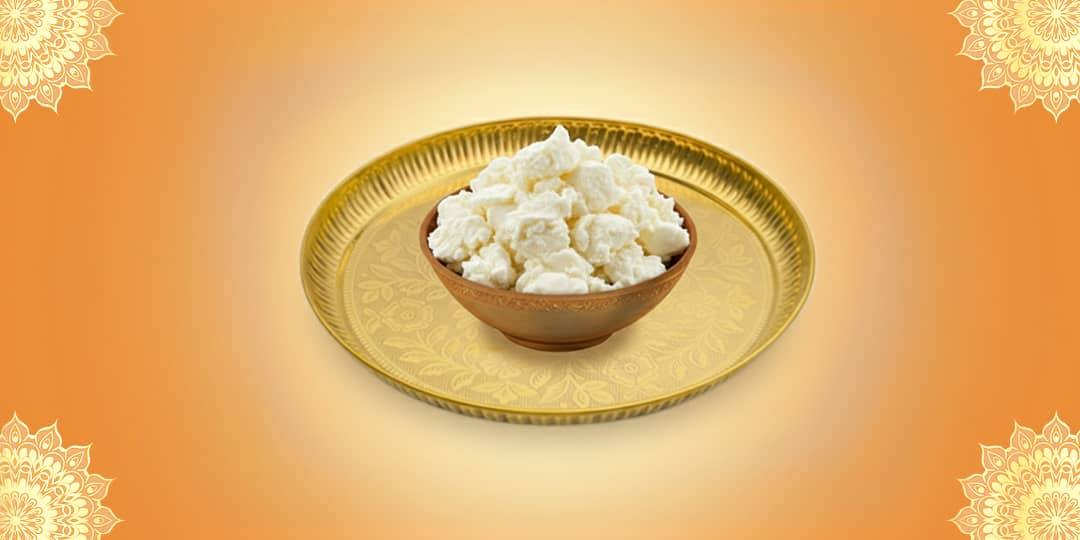
Offer Yellow Cloth to Lord Vishnu
Yellow cloth symbolizes nourishment, stability, and divine protection. Offering it to Lord Vishnu is associated with seeking his safeguarding grace over the womb, ensuring strength, balance, and continuity of life.
₹75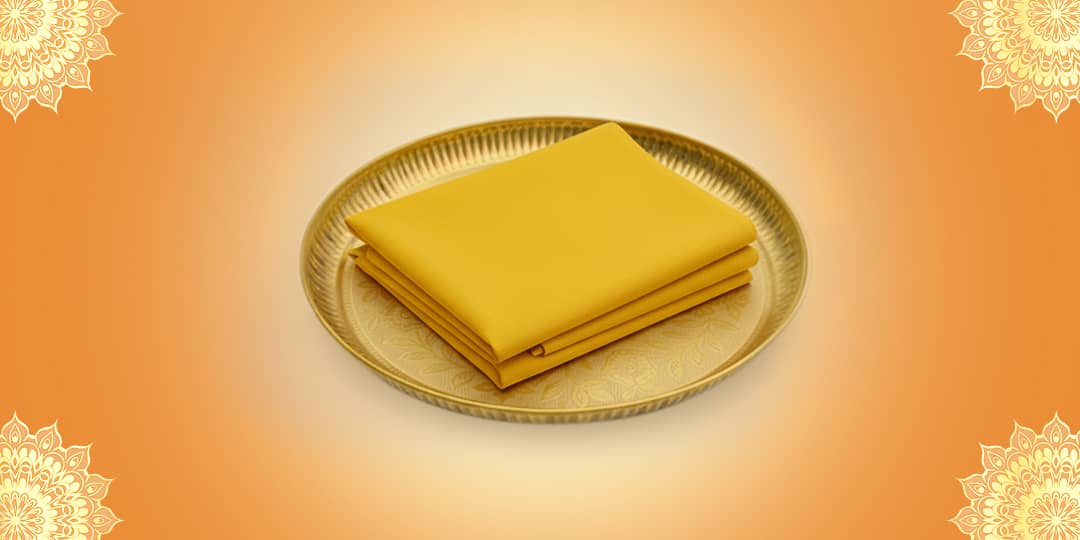
Offer Shri Hari Vishnu Panch Bhent
The Panch Bhent represents the five foundational elements of life. Offering these to Shri Hari Vishnu signifies a complete surrender of one’s desire for progeny, seeking alignment of body, mind, karma, and destiny for childbirth.
₹251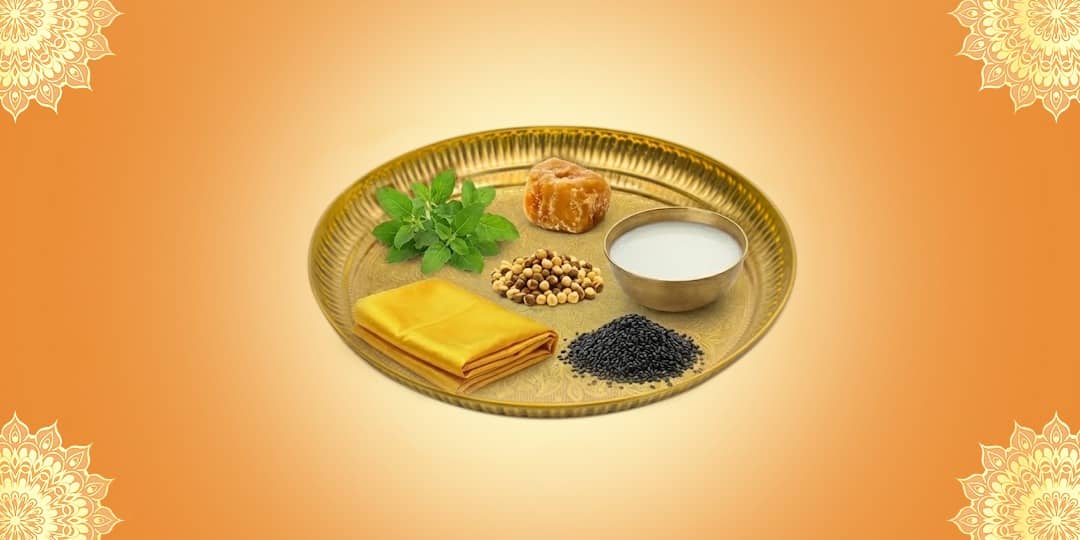
Offer Coconut & Yellow Sweets
Coconut signifies fertility and creation, while yellow sweets represent auspiciousness and fulfilment. Together, they are offered to Lord Vishnu to seek joyful news, sweetness in family life, and the successful fruition of childbirth prayers.
₹175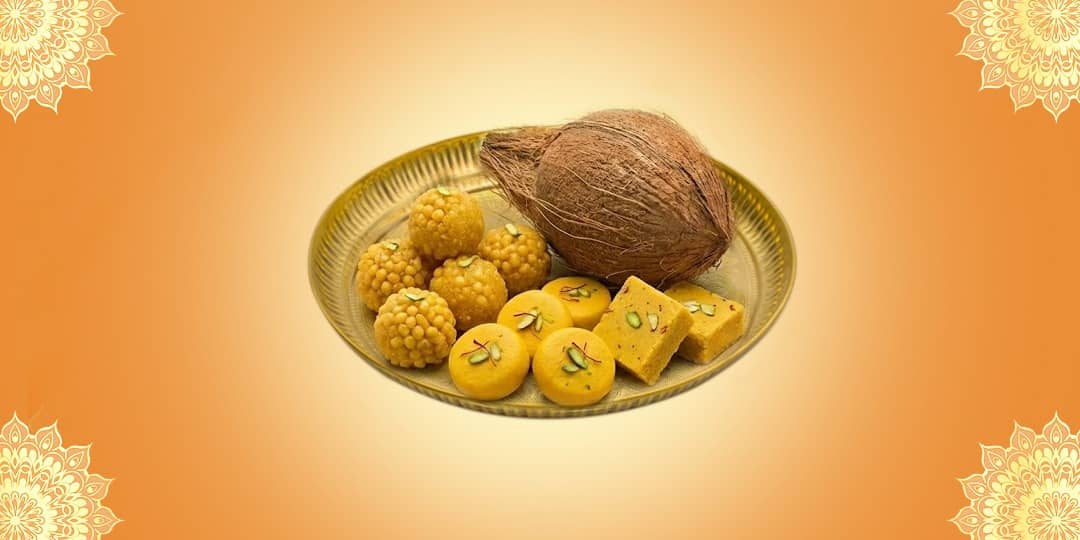
Offer Boondi Laddoo to Lord Vishnu
Offering Boondi Laddoo expresses sweetness and gratitude in devotion, seeking Lord Vishnu’s blessings for harmony, emotional fulfilment, and contentment within the family.
₹151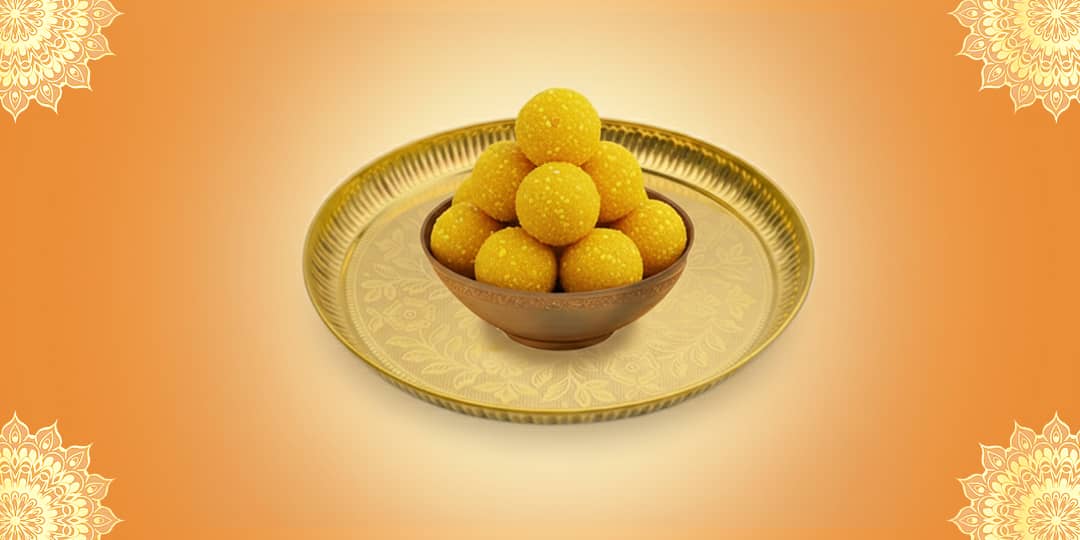
Offer Tulsi Leaves, Jaggery and Roasted Gram
Tulsi represents purity, jaggery symbolizes sweetness, and roasted gram signifies nourishment. Together, this offering seeks a life balanced with virtue, warmth, and sustained well-being under Lord Vishnu’s grace.
₹75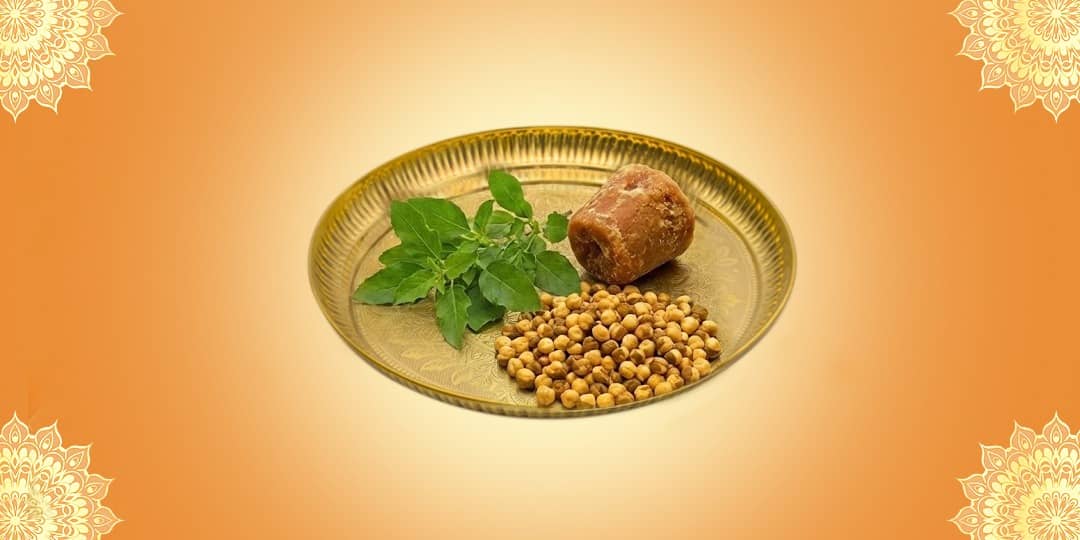
Anna Daan
Offering food to the needy is considered one of the highest forms of daan in Sanatan tradition. It sanctifies the act of nourishment, invoking divine grace, abundance, and lasting contentment for devotees.
₹350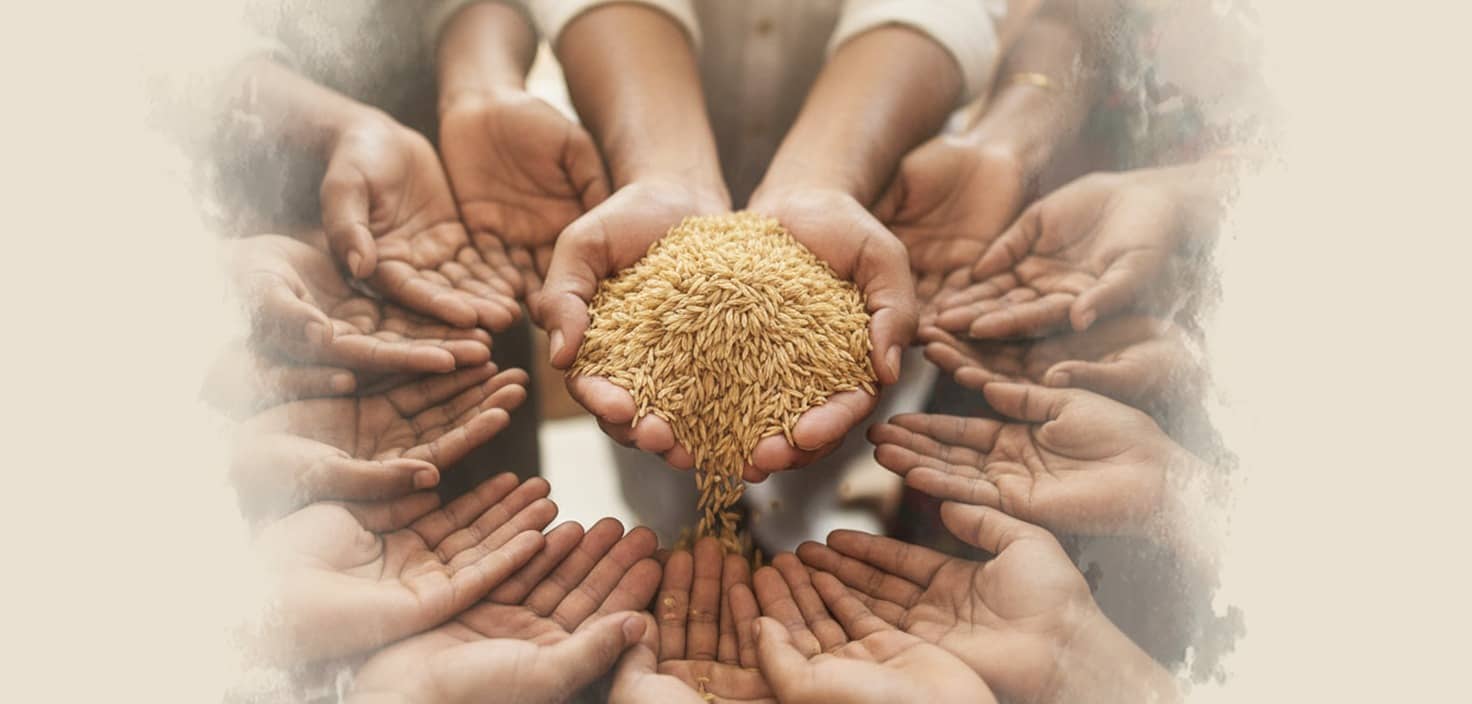
Gau Seva
Gau Seva is a sacred act of devotion that brings blessings of prosperity, purity, and peace.
₹351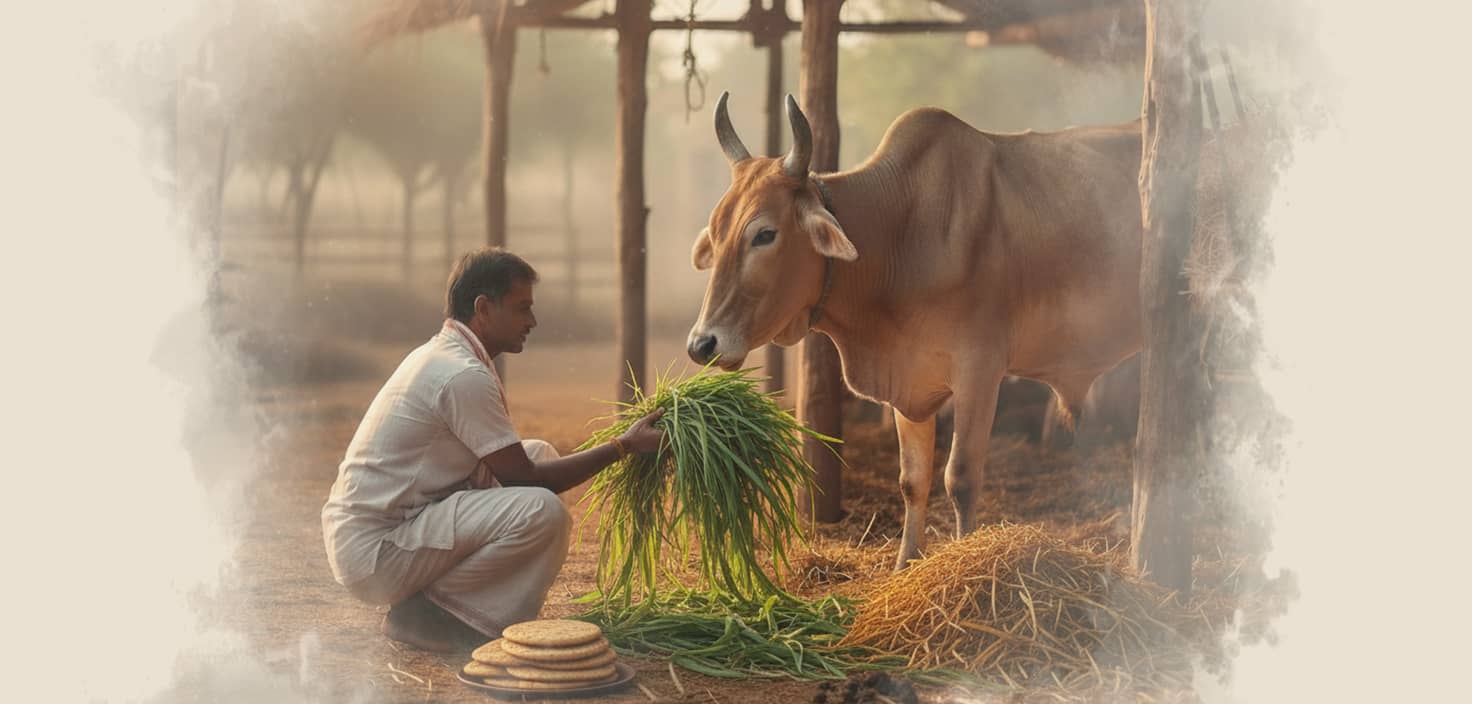
Brahmin Bhoj
Offering Brahmin Bhoj with devotion is a sacred act that honors tradition, invoking blessings of peace, prosperity, and ancestral harmony.
₹351